غوته والأدب العربي: دراسة في مسارات التأثر والتأثير
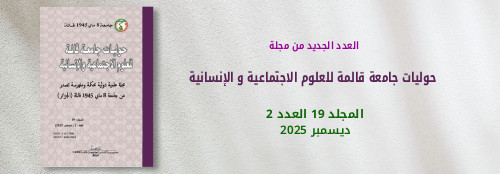
مجلد19العدد2-ديسمبر2025

تبحث هذه الدراسة في تفاعل يوهان فولفغانغ فون غوته (Johann Wolfgang von Goethe) مع القرآن الكريم والأدب العربي من خلال عمله الشعري «الديوان الشرقي للشاعر الغربي». تنبع أهمية الموضوع من كونه يكشف عن مسارات التأثر المتبادلة بين التراث العربي الإسلامي وبين أحد أعلام الأدب الغربي، بما يعزز فهم ظاهرة الأدب العالمي (Weltliteratur) كما صاغها غوته نفسه. يهدف البحث إلى توضيح الكيفية التي استوعب بها غوته نصوصًا عربية متنوعة -من القرآن الكريم إلى المعلقات وشعراء الحكمة كزهير والمتنبي -وكيف حوّلها إلى مكوّنات شعرية جديدة ذات طابع جمالي وفلسفي خاص. منهجياً، يعتمد البحث على مقاربة تحليلية–مقارنة بين النصوص العربية ونظائرها في الديوان، مدعومة بقراءة تاريخية–ثقافية للظروف التي أحاطت بترجمات غوته ومعرفته بالشرق، إضافة إلى مقاربة نقدية–سياقية لتتبع تلقي الأدب الألماني لهذا العمل. تكشف هذه المنهجية مجتمعةً عن دينامية النص الغوتي في تفاعله مع مصادره، وتبرز مكانة الأدب العربي في صياغة الرؤية الشعرية والفكرية لغوته.
كلمات مفتاحية: يوهان فولفغانغ فون غوته، الأدب العربي، الديوان الشرقي للشاعر الغربي، الأدب المقارن، الأدب العالمي.
This study explores Johann Wolfgang von Goethe’s engagement with the Qur’an and Arabic literature through his poetic work West-östlicher Divan (The West-Eastern Divan). The significance of the topic lies in revealing the channels of interaction between the Arab-Islamic heritage and one of the foremost figures of Western literature, thereby contributing to a deeper understanding of Goethe’s concept of Weltliteratur (world literature). The research aims to demonstrate how Goethe assimilated diverse Arabic sources—from the Qur’an to the pre-Islamic odes and poets of wisdom such as Zuhayr and al-Mutanabbī—and transformed them into new poetic forms marked by aesthetic and philosophical originality. Methodologically, the study employs a comparative textual analysis of selected Arabic passages alongside Goethe’s poems, complemented by a historical-cultural approach to trace the translations and sources available to him, and a contextual-critical reading of the German reception of the Divan. This combined framework highlights the dynamics of Goethe’s text in dialogue with its Arabic sources and underscores the role of Arabic literature in shaping his poetic and intellectual vision.
Keywords: Johann Wolfgang von Goethe, Qur’an, Arabic Literature, West-östlicher Divan, Comparative Literature, Weltliteratur.