يبحث هذا الموضوع أثر الرواية الروسية في الرواية الجزائرية، من خلال تيمة المرأة المناضلة كبعد إنساني مشترك. في رواية *جميلة* ينطلق نضال البطلة من الجماعة والخصوصية القبلية، مدعوماً بروح التضامن السوفييتي، ما يجعل الفردية تذوب في الانتماء الجماعي. أما في *رمانة*، فالمسار مختلف؛ تبدأ فيه البطلة من واقعها المؤلم، لتتحول إلى جسد مُشتهى، ثم تصل إلى وعي ثوري شامل، إنه إسقاط على تطور وعي المرأة عبر منظور الكاتب. يتجلى التباين في أن الأدب الروسي حافظ على السمو في طرح تيمة المرأة بعيداً عن الجسد، بينما الروائي الجزائري فتح جدلاً إبداعياً وجريئاً حولها.
الكلمات المفتاحية: جميلة- رمانة- النضال- التيمة- المرأة.
This study explores the impact of Russian literature on Algerian narrative through the shared theme of the militant woman as a humanistic dimension. In *Jamila*, the heroine’s struggle originates from communal bonds and tribal identity, reinforced by Soviet solidarity, where individuality dissolves into collective belonging. In *Rumana*, however, the trajectory differs: the heroine begins in a painful reality, becomes a desired body, and ultimately reaches revolutionary awareness, reflecting the evolution of women’s consciousness through the writer’s vision. The contrast lies in Russian literature’s preservation of transcendence by avoiding corporeal portrayals, while the Algerian novelist opened a bold, creative debate around them.
Keywords: Djamila- Rommana- Struggle- Theme- Woman
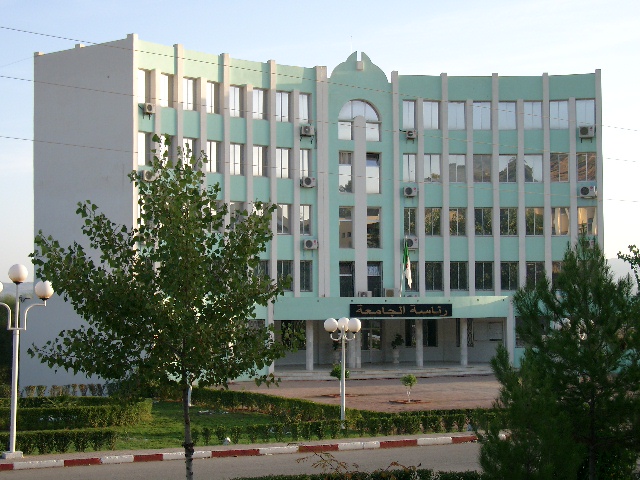
المقر الجديد لمديرية النشر :
رئاسة الجامعة سابقا
الطابق الأول
مديـريــة الـنشــر الجامـعي